
Our cat’s annual helath check – 2020
Why do we regularly check cats?
First of all, to have their health under control and to catch possible disorders early enough. Cats, like any animal or human, can get sick. Even in the best conditions and under careful care, we do not always have an influence on the occurrence of problems and diseases. The risk of it, like in humans, increases with age. We have been breeding cats for 10 years now and this year Whisper has already turned 11, Elma and Dziabąg are seven, Cody is 4, and Helenka will be 6 in December. As a vet, I cannot imagine not doing checkups. After all, I have to know when to react, and as a breeder I need to judge whether, for example, to hold off on another litter or not.
I wrote more about the control tests during the previous check ups, the entry is available HERE.

Tests for FIV & FeLV
We perform control tests for feline leukemia (FeLV) and feline immune deficiency virus (FIV) every year. Both of these diseases are transmitted through direct contact with an infected cat – as a result of for example bites, matings. The most common patients with these conditions are free-living, stray or cats going outside unsupervised.
Our cats do not get in contact with outside animals and cannot become infected. Going to the garden with them also takes place under our supervision, which prevents contact with other cats. Why are we testing anyway? On the one hand, it is a matter of habit, because when we started the cattery, there was a requirement to carry out such tests. The main thing is not to breed cats with any of the above diseases (they can be transmitted to their offspring).
Testing for FIV and FeLV is also important for matings with a male from a different cattery. The aim is to avoid possible infection of the male or female cat from another breeder or own cat (both catteries perform the tests). Without negative FIV and FeLV tests, there’s no point to start talking about mating in another cattery (e.g. abroad).
After recent tests, the Viosna *PL Thai Cattery is still free from
feline immune deficiency virus (FIV) and feline leukemia (FeLV).
Additionaly, all our breeding cats are PRA * free.
*This is a genetic (inherited) disease that causes progressive retinal atrophy, leading to irreversible blindness.
Control tests
Control tests are a very important element of proper cat care. Cats are masters of camouflage and can hide all symptoms very well. Sometimes until it’s too late. That is why we perform tests in our cattery every 6-12 months to make sure that our cats are healthy and safe.
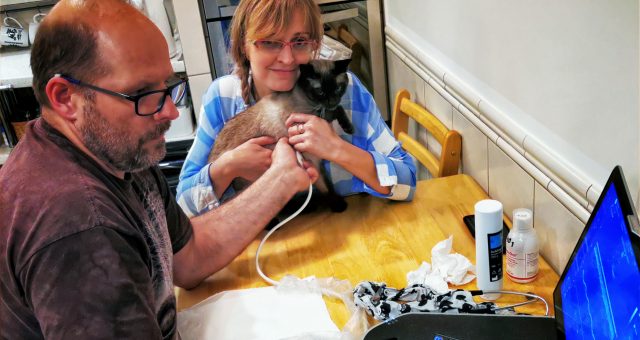
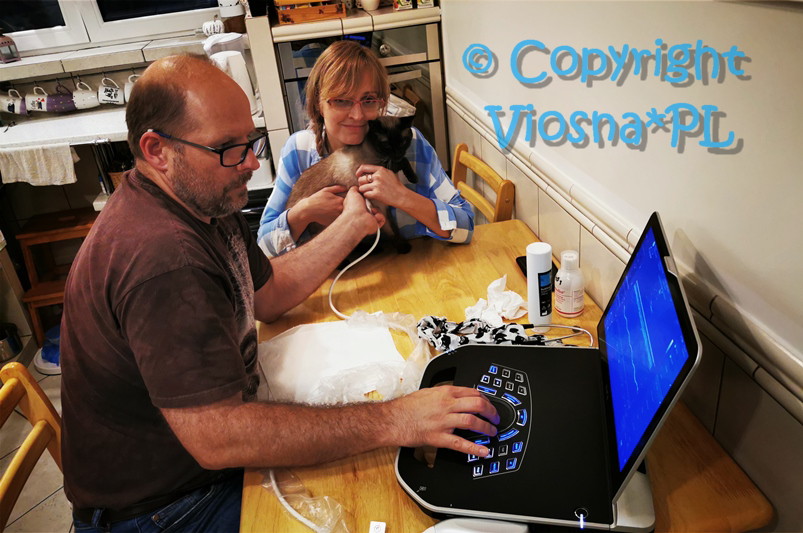
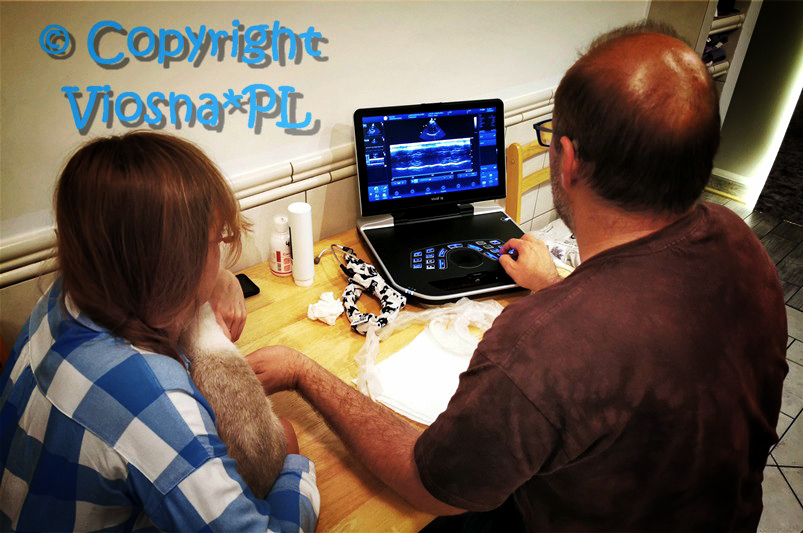
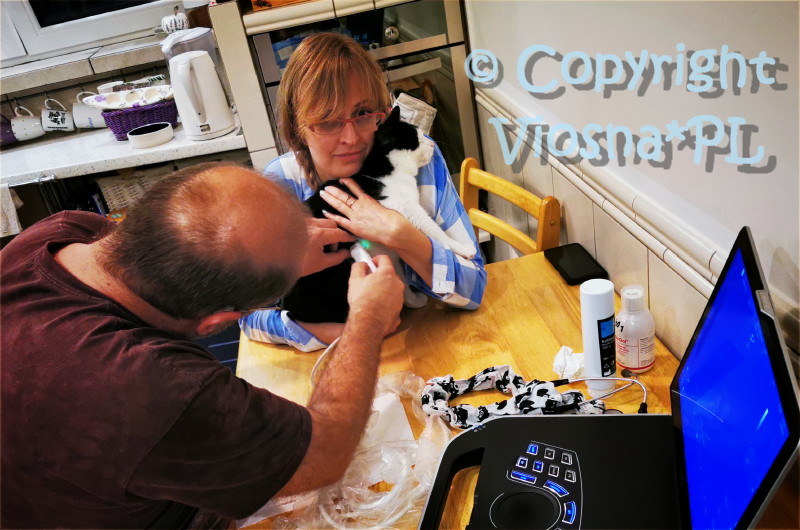
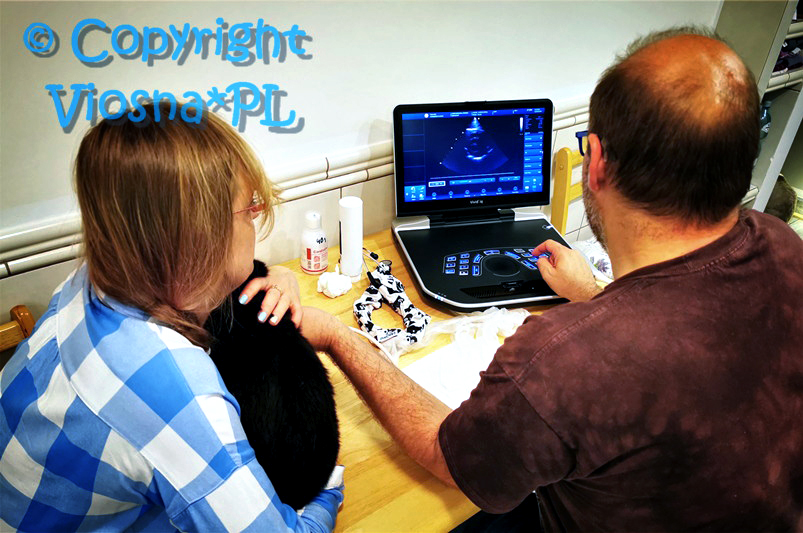
This year we decided to perform cardiac examinations for all our cats. Also considering some changes resulting from the pandemic that created a convenient opportunity. Once a year, Dr. Rafał Niziołek, together with Dr. Jacek Garncarz, conduct consultations around Poland, not only in Warsaw. They come to Bydgoszcz in March every year, and we mostly brought Whisper and Dziabaczek for a visit. Covid-19 caused consults to be postponed to June. Since we also know Dr. Rafał privately, he stayed with us during his visit in Bydgoszcz. Thanks to this, without having to take all the cats to the clinic, we were able to check the hearts of all five of them.
Cody & Helen
This year, all the results of Hela and Cody’s tests were normal. Both blood tests, heart echo and ultrasound. We are happy that our cats are healthy and we do not have to worry about them in this matter.
Elmirka
In Elma’s case, blood tests and ultrasound showed no abnormalities. In a clinical trial, gingivitis has not worsened since last year, but unfortunately the improvement was also slight. Therefore, before the next litter, we had to remove some of her teeth. Despite this, the kitten is doing very well and has no problems with eating.
The cardiological examination was also very good. The doctor did not find any abnormalities.

Dziabąg
Thanks to checkups, we were able to detect Dziabąg’s kidney problems early enough (he was the 3,5 and now is 7 years old) and adjust care for him so that changes do not proceed too quickly. You can read more about that situation HERE.
Last year Dziabąg was struggling with cystitis, but after treatment everything was fine (both during the spring and these examinations). SDMA and creatinine are within the normal range. The only thing that worries us a bit in his case is a slightly elevated cholesterol. Unfortunately, it is related to his overweight. It is true that during the breaks, when we do not have kittens, we manage to slim him down, but as soon as the little ones apear he starts to gain weight again. We try to limit his access to kitten food, but sometimes he can deceive even us. He can smell food from the farthest corner of the apartment, no matter where he is standing. Once he even climbed onto the top shelf with towels in the bathroom, where we put the bowls aside for a while.
Fortunately, despite the unnecessary fat, Dziabaczek’s heart is doing quite well.
-
- Dziabąg kontrola
-
- Dziabąg kontrola
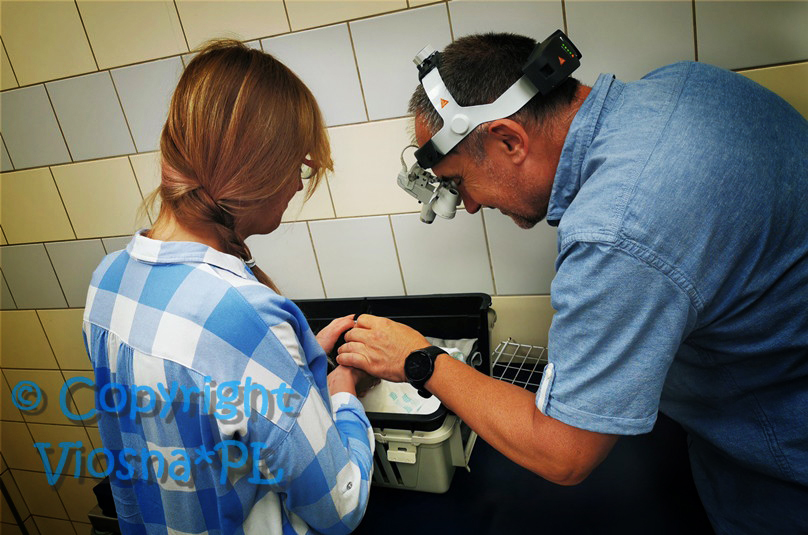
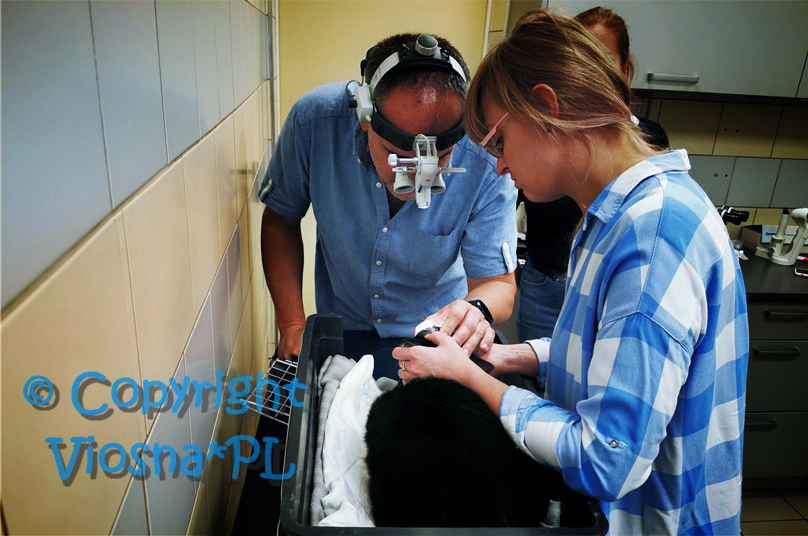
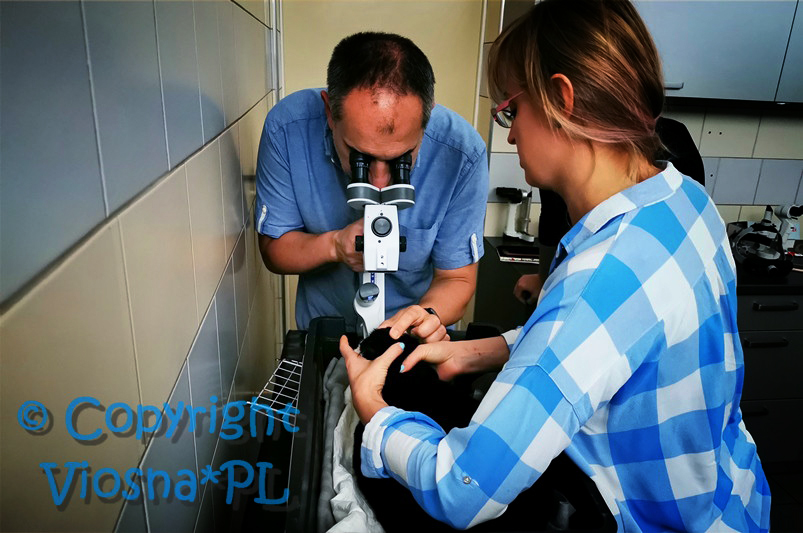
Control ophthalmological examinations, performed in the clinic, also turned out well. Since we found him, Dziabąg has only one eye, and in addition it his third eyelid is connated with conjunctiva. Fortunately, he has no major visual disturbances and is doing very well. At least once a year, he undergoes an ophthalmological check-up under the supervision of Dr. Jacek Garncarz.
Whisper
Thanks to examinations in January 2019, Whisper was diagnosed with an early (asymptomatic) stage of gastrointestinal lymphoma. She has finished chemotherapy 6 months later. Since then, she has been under regular control. She has blood tests and ultrasound every 1-1.5 months. The disease remission period is usually up to 1.5 – 2 years.
Unfortunately, in August this year, during an ultrasound of the abdomin, I found enlarged lymph nodes. There were no pathological changes in blood tests and smear, and it was the only disturbing symptom. I would probably conduct the diagnosis differently in another patient. However, knowing Whisper’s oncological history, I was concerned that we might be dealing with a recurrence. This time we did not hesitate to perform a diagnostic laparotomy.
During the procedure, we were able to collect samples of enlarged lymph nodes. By the way, we also found an abnormality in the intestines. The omentum was fused – probably as a result of healing from the previous procedure, when we also cut some samples from the intestinal wall. Adhesion involved two loops of the small intestine. The patency was maintained, but it caused changes in the position of the intestines and could cause periodic disturbances in peristalsis. Knowing now that this complication occured after precious surgery – if I could turn back time – I would still have decided to do it anyway. Despite the complications that may or may not occur, the previous laparotomy helped us decide on chemotherapy. Thanks to this, Whisper lived all that time for the recent laparotomy, and still felt well for the past 1.5 years.
We managed to dissect one of the adhesions. Unfortunately, we decided to leave the second one. There was a chance it will regrowth, what might disturb the intestinal patency. We didn’t want to risk it, especially since Whisper had functioned well in the previous months. We managed to remove at least one of the adhesions that was carrying less risk for regrowth. It is possible that the adhesions were also causing inflammation, possibly resulting in enlarged lymph nodes. I had the quiet hope that this was our problem, not a lymphoma recurrence.
The samples went for a histopathological examination, and we waited for the results for 2 weeks. Unfortunately, the result was ambiguout and the pathologist was unable to assess whether it is an inflammatory lesion or an early neoplastic stage. More tests had to be done, this time more advanced. Despite the cost of diagnostics already done, we didn’t have to waste time considering what to do next. Although test was not cheap (it cost almost PLN 900), and we had to wait 3 weeks for the results. Following the pathologist’s recommendations, we commissioned a PCR-PARR molecular test. It is a test that examines the origin of pathological cells by marking their receptors. In short, if they are different from each other (come from a different “source” – are polyclonal), it indicates inflammation. When the cells receptors are clones of one cell (clonal), then this result indicates a lymphoma.
I waited impatiently for an email from the laboratory in Germany. When it finally came, I had to read it several times to make sure I had interpreted the result correctly. Not because I can’t read English, but because I was very emotional about the situation. You see, veterinarians are sometimes more afraid because they know what might be wrong, what it entails and what it looks like. When we observe patients with a certain disease, the more we emotionaly we receivet the same the diagnosis of our own animal. Even if we know how to treat something, we are always know what might be worst-case scenario, which most pet owners are not aware of. If the treatment does not work, we feel even more powerless and helpless because we approach it more emotionally. With your own animals, it is difficult to keep a distance that makes it easier to guide our patients.
This time, however, we were lucky. Whisper result indicated cellular receptors of a polyclonal nature. We could breathe a sigh of relief that this time she made it again. She was already on anti-inflammatory treatment, which we continued after receiving the result. Control blood tests showed all the parameters tested were normal.
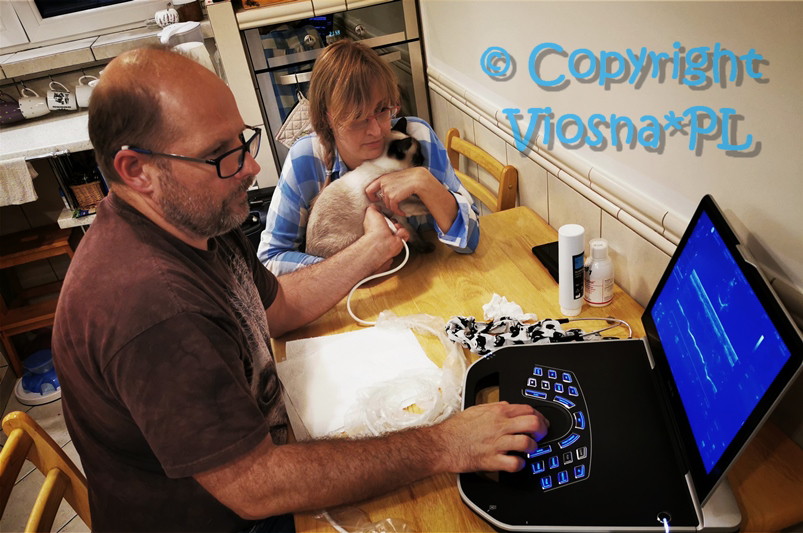
As for the June cardiac check-up, I was especially curious about the results of Whisper. In January, when she underwent sanation, I was a bit concerned about the EKG reading during anesthesia. We did not find any contraindications when qualifying her for the procedure. At that time, we consulted Dr. Niziołek on the phone. The graph showed minor fibrotic changes in the myocardium that did not require treatment at this stage. We wondered if there would be any changes in the heart ultrasound as well. However, we had to wait for the examination due to the pandemic and delayed consultation dates. Doctor Niziołek did not diagnose Whisper with any serious cardiac problems. The heart rate, including muscle strength and blood flow, were normal. Despite minor fibrotic changes, she does not require any medications yet. Which doesn’t mean we won’t control it over time. Whisper has had regular cardiac checks for several years and so far, there have been no pathological symptoms in them.
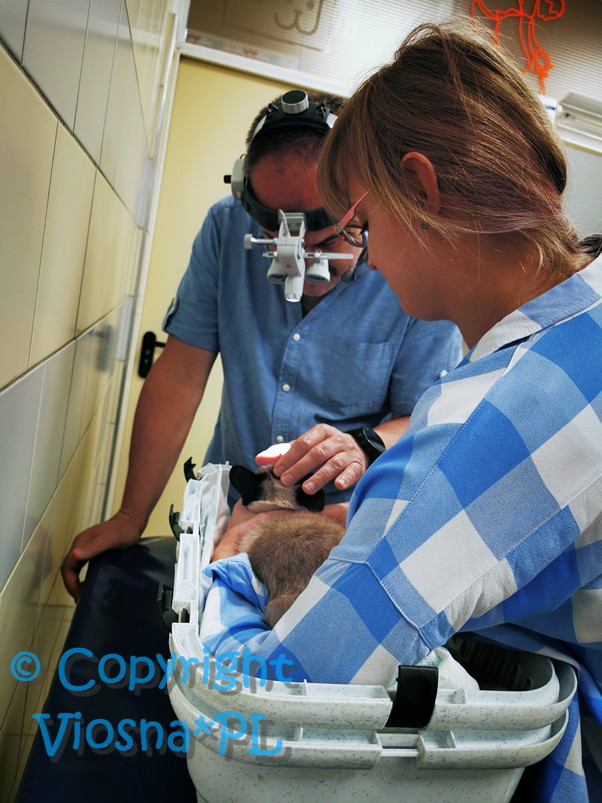
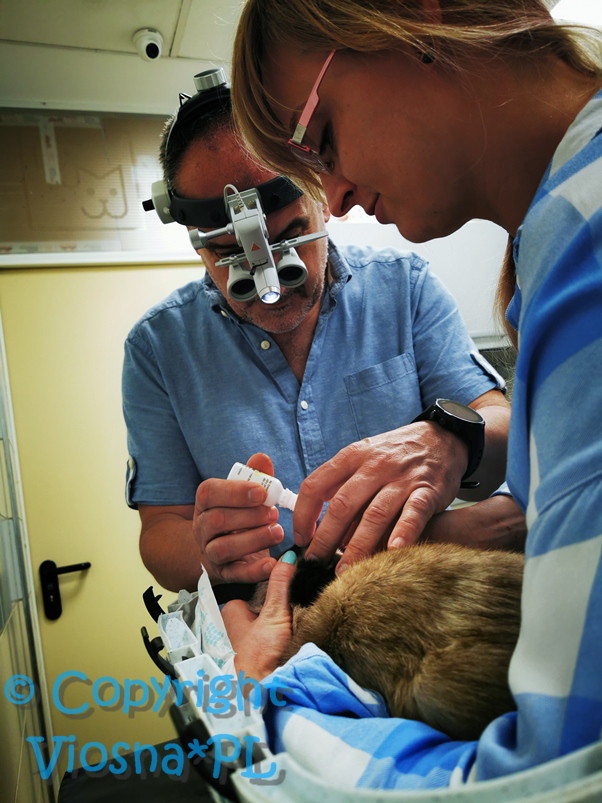
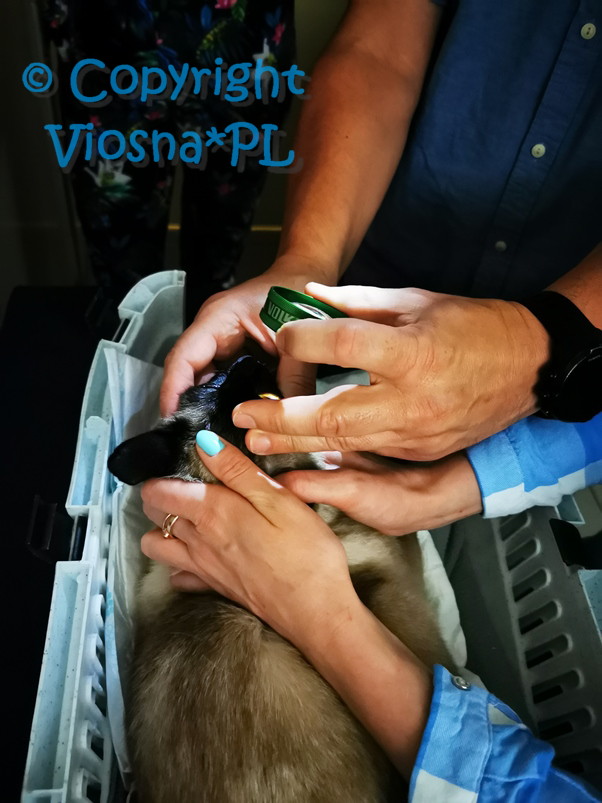
Due to age and ophthalmic complications (more about it HERE), Whisper also has regular examinations with doctor Garncarz. It was similar this year, but with a pandemic delay. Apart from the loss of vision due to an adverse reaction to the antibiotic last year, the doctor did not find any other pathologies in our cat’s eyes.
Whisper is very well so far. Recent blood tests are also OK. Her appetite is good and she behaves as usual. We hope this state will last as long as possible. We know that lymphoma is a time bomb and that the period of remission will end one day. For now, we are happy to enjoy the time we still have with her.

